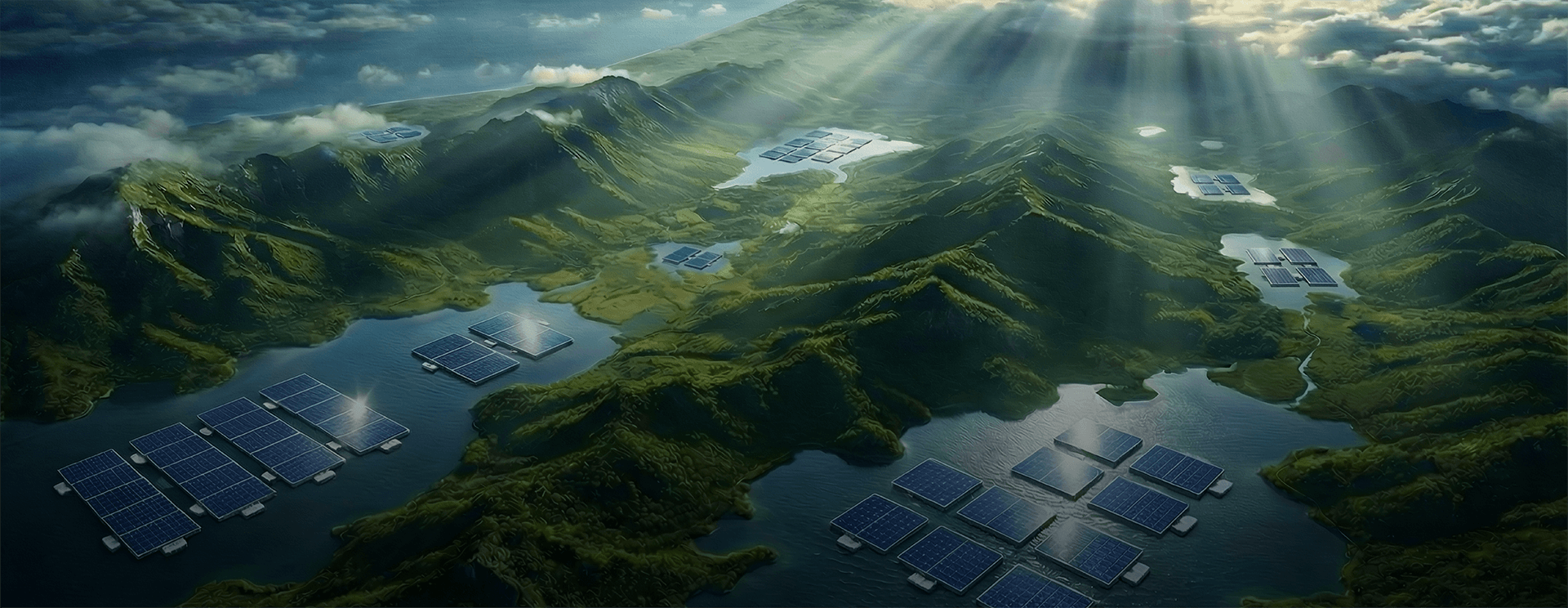
SUSTAINABILITY
& ENVIRONMENT
Energy Independence That Protects. Does Not Destroy. The Water-Energy Nexus Solved.
Water Conservation at Scale
Morocco faces acute water stress from climate change, population growth, and agricultural demand. Shams transforms that crisis into opportunity.
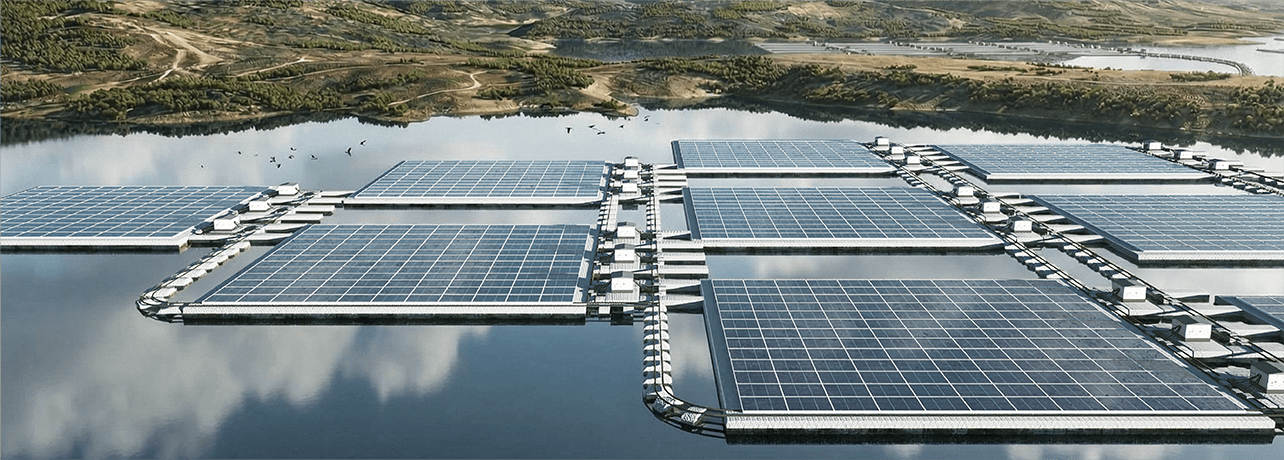
Annual Water Savings: 10.9 million m³
Floating panels shade reservoir surfaces, reducing evaporation by up to 70% compared to open water exposed to sun and wind, enough drinking water for more than 220,000 people or irrigates 1,100 Hectares. This conserved water sustains agriculture, households, and industrial growth during prolonged droughts that would otherwise force difficult rationing decisions. The water that Shams preserves through shading is water that remains available for irrigation, municipal consumption, and industrial use—providing resilience against extended periods of low rainfall.
Hydrological Resilience
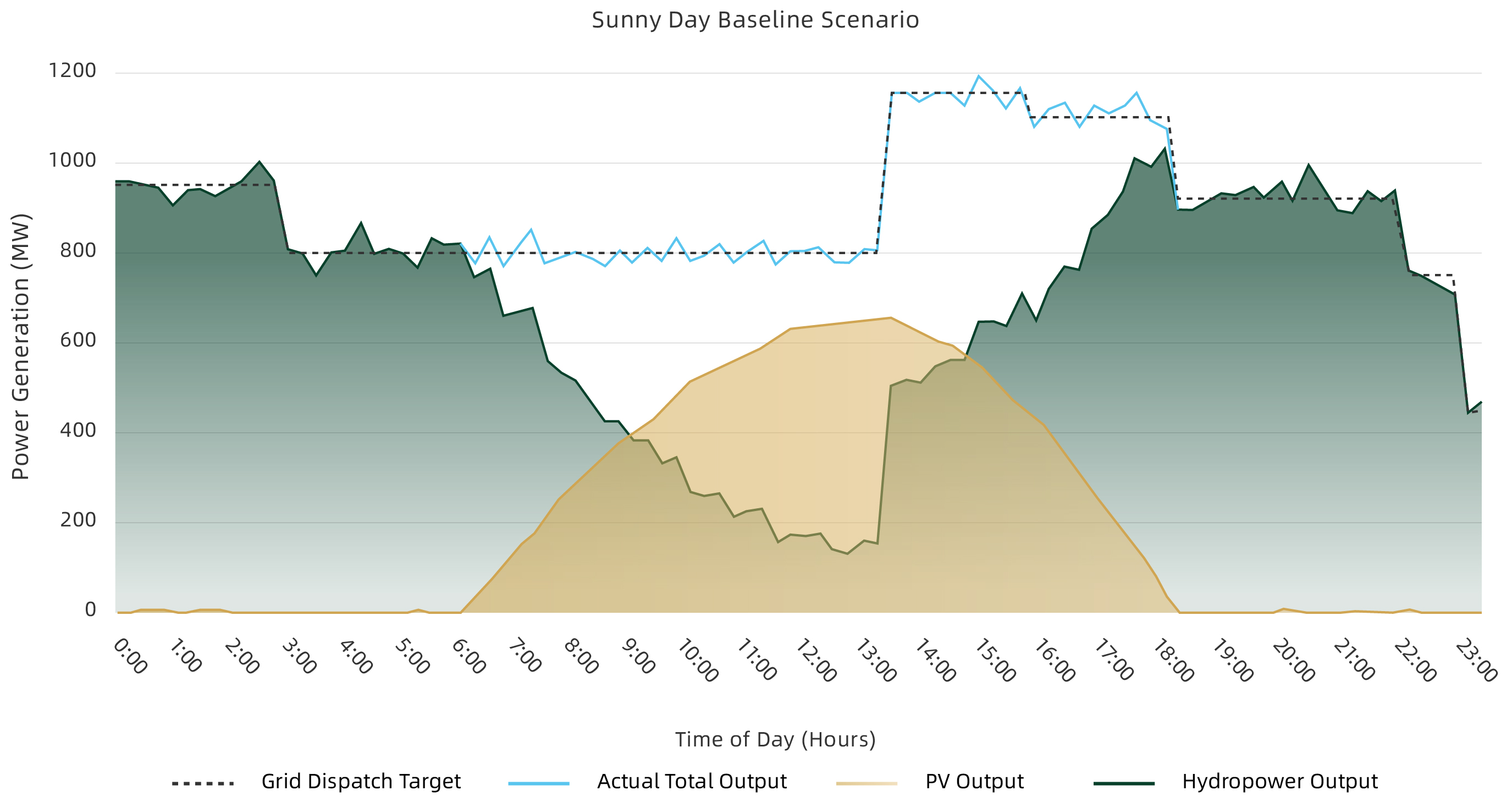
Daytime solar generation from floating arrays allows hydroelectric power stations to preserve stored water in reservoirs rather than releasing it through turbines, extending storage capacity and drought resilience. Flexible scheduling of energy generation balances seasonal water reserves with fluctuating energy demand throughout the year. Enhanced drought resilience will stabilize irrigation supplies to farmers who depend on reservoir water for crop production. Energy security will never compromise water security because Shams integrates both challenges into a unified optimization system.
Hydro-PV Hybrid Dispatch & Grid Tracking
Carbon Elimination
At full operation, Shams will eliminate 1.1 million metric tons of CO₂ annually that would otherwise be released through fossil fuel combustion for electricity generation. This carbon avoidance is equivalent to planting 50 million trees that would require decades to mature and sequester the same carbon. The carbon elimination equals removing 300,000 cars from roads for an entire year.
Land Preservation
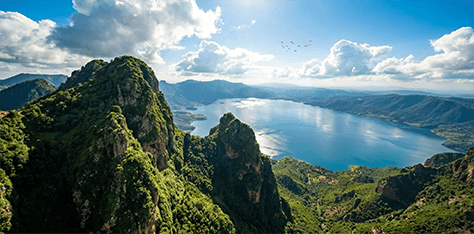
No agricultural or forest land will be consumed by the Shams Project because all installations float on existing reservoirs rather than requiring new construction on terrestrial surfaces. The 123 km² of Al Wahda's surface will be preserved for agriculture, forestry, housing, and biodiversity because floating installations occupy water surface area rather than land area. This land preservation protects Morocco's productive agricultural heritage and maintains natural ecosystems essential for climate resilience and biodiversity.
Aquatic Ecosystem Protection
Floating networks will be designed with strategic spacing and transparency to maintain sunlight penetration through water columns, ensuring oxygen exchange and aquatic photosynthesis continue uninterrupted. Aquatic habitats and fish migration patterns will be preserved through careful placement and design that respects natural water movements.
Algal blooms will be reduced by up to 30% because floating panels moderate water temperature and filter incoming sunlight, reducing conditions that trigger explosive algal growth. The ecological health of Morocco's freshwater basins will be improved through integration of floating solar infrastructure that becomes a steward rather than an adversary of aquatic environments.
Continuous monitoring buoys will track water temperature, chemical composition, and biological diversity in real time, ensuring that environmental integrity is maintained and any adverse conditions are detected and addressed immediately.
Developing without Compromising Bottom-line
Project is strategically constructed on the dead-water zone of the Al Wahda reservoir—areas below the minimum operating level where the water cannot be drawn for hydropower or irrigation—ensuring that every square metre of the FPV field generates value without compromising the dam's primary functions. The layout deliberately preserves a 5–8 km open corridor across the reservoir surface, reserved for firefighting aircraft water-scooping operations, dam inspection vessels, emergency response, and routine hydraulic maintenance. This disciplined spatial planning demonstrates that gigawatt-scale floating solar can coexist seamlessly with critical public-safety infrastructure and existing water-management operations, setting a replicable design standard for every reservoir Morocco will develop next.

His Majesty's Mandate
His Majesty King Mohammed VI, May God Assist Him, declared that Morocco's path to prosperity must also be its path to climate protection. Shams proves this is not idealism—it is strategic necessity grounded in the reality that water security and energy security cannot be separated. Energy sovereignty and environmental stewardship are inseparable imperatives that must advance together.